-
Products
-
Engine Bus Air Conditioner
Engine Bus Air Conditioner

-
E-Bus Air Conditioner
E-Bus Air Conditioner

-
BTM System
BTM System

-
Refrigeration Unit
Refrigeration Unit
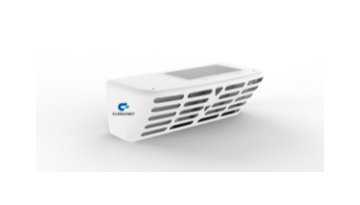
-
Defroster
Defroster
-
Integrated Thermal Management System & Heat Pump Product
Integrated Thermal Management System & Heat Pump Product
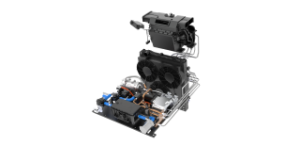
-
Accessory
Accessory
.jpg)
-
Engine Bus Air Conditioner
- About Us
- Support
- Contact Us


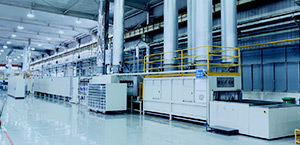



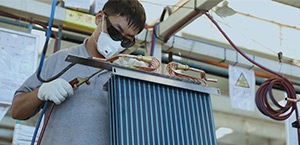



Bus heat pump air conditioning is a highly efficient energy transfer device. It uses a small amount of electricity to transfer heat from the outside environment into the vehicle for heating, rather than directly generating heat. For electric buses, which are sensitive to range, this is a core technology for keeping the vehicle warm in winter and ensuring its driving range.
.png)
1. Why it's the "Golden Partner" for Electric Buses
Unlike traditional fuel-powered vehicles that utilize engine waste heat, pure electric buses face significant energy consumption challenges in winter heating. Ordinary air conditioning systems using electric heating wires (PTC) are extremely energy-intensive, drastically reducing the already precious battery range. The advantages of heat pump air conditioning are:
1.1 Superior Energy Efficiency, Significantly Improved Range: The efficiency (energy efficiency ratio) of a heat pump is typically 2 to 2.5 times that of a resistance heater. This means that it can generate more heat with the same amount of electricity.
1.2 Considerable Range Improvement: At moderate temperatures (around 4°C), using a heat pump can extend the vehicle's range by more than 50%; even at low temperatures (around -7°C), it can extend it by more than 30%.
2. Technological Evolution: From "Fear of the Cold" to "Conquering" Extreme Cold
Early heat pump air conditioners might fail to start at around 0°C. To address the needs of extremely cold northern regions, the industry has developed third-generation ultra-low temperature heat pump technology. Key technologies include:
2.1 Gas Injection Enthalpy Enhancement Technology: By optimizing the compressor structure, gas is added at low temperatures to enhance heating capacity. Air conditioners using this technology can operate normally in ultra-low temperature environments down to -25°C.
2.2 Dedicated Compressors and Refrigerants: Utilizing electric compressors specifically designed for low temperatures and refrigerants such as R407C and R410A. More advanced technologies are shifting towards natural refrigerants such as carbon dioxide (R744) and propane (R290), which are not only more environmentally friendly (with extremely low global warming potential) but also maintain efficient heating in extreme cold.
2.3 Variable Frequency Control Technology: Employing full DC inverter technology, the compressor and fan achieve synchronous stepless speed regulation, enabling precise temperature control and saving over 20% energy compared to traditional fixed-frequency air conditioners.
3. System Design: Evolving Towards Integrated Vehicle Thermal Management
Modern bus heat pump air conditioning is no longer an isolated component, but deeply integrated into the vehicle's thermal management system:
3.1 Battery Thermal Management: The heat pump system can simultaneously manage the battery pack temperature. At low temperatures, it utilizes its own generated heat to preheat the battery, ensuring its charging and discharging performance.
3.2 Waste Heat Recovery: The new generation of intelligent systems can recover waste heat generated by the motor and electronic control system for use in passenger compartment heating, further reducing battery load. Data shows that this method can reduce power consumption by up to 23%.
3.3 Enhanced Comfort: Addressing the issue of hot air rising upwards, some designs have added floor cooling units or bottom air ducts, allowing warm air to rise from the feet, effectively solving the "warm head, cold feet" problem and greatly improving passenger comfort.
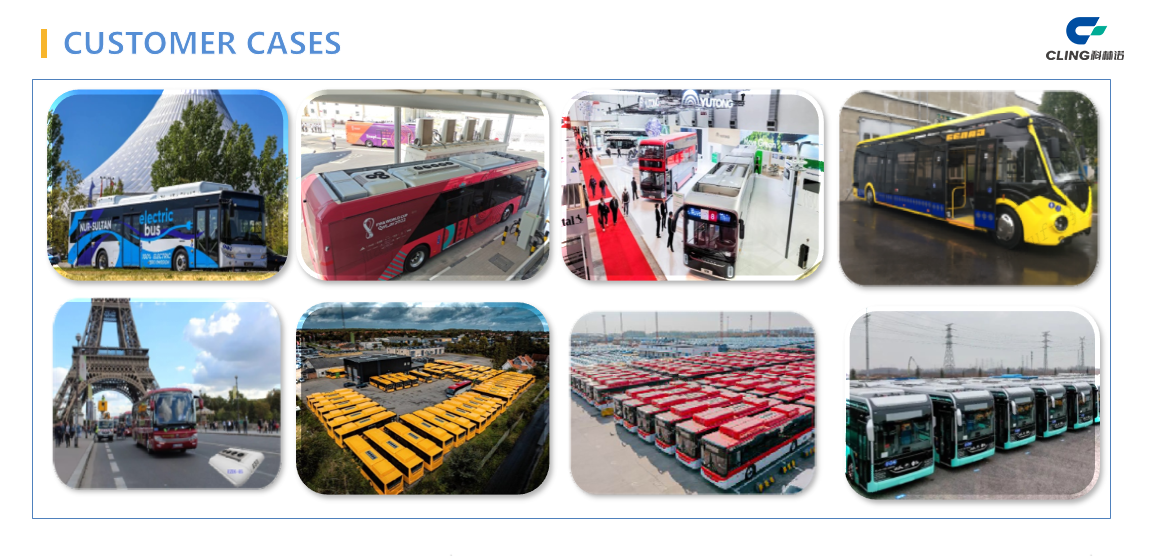
Clingac, as a Chinese manufacturer of bus air conditioners, has over 20 years of experience, with 650,000 units installed globally and over 100,000 electric air conditioners sold. Our heat pump air conditioning technology is mature. If you are interested in our products, please contact us:
E-mail: marketing@clingac.com

Products
 Youtube
 Facebook
 Linkedin
 Instagram
Copyright © 2016 Zhengzhou Kelin Motor Vehicle Air Conditioning Co., Ltd. All rights reserved. Support:
Coverweb
Get A Free Quote!
x