


 China
China English
 French
 Spanish
 Russian
News
Stay updated on the latest developments and product knowledge of the Cling Air Conditioning and bus HVAC industry

Stay updated on the latest developments and product knowledge of the Cling Air Conditioning and bus HVAC industry
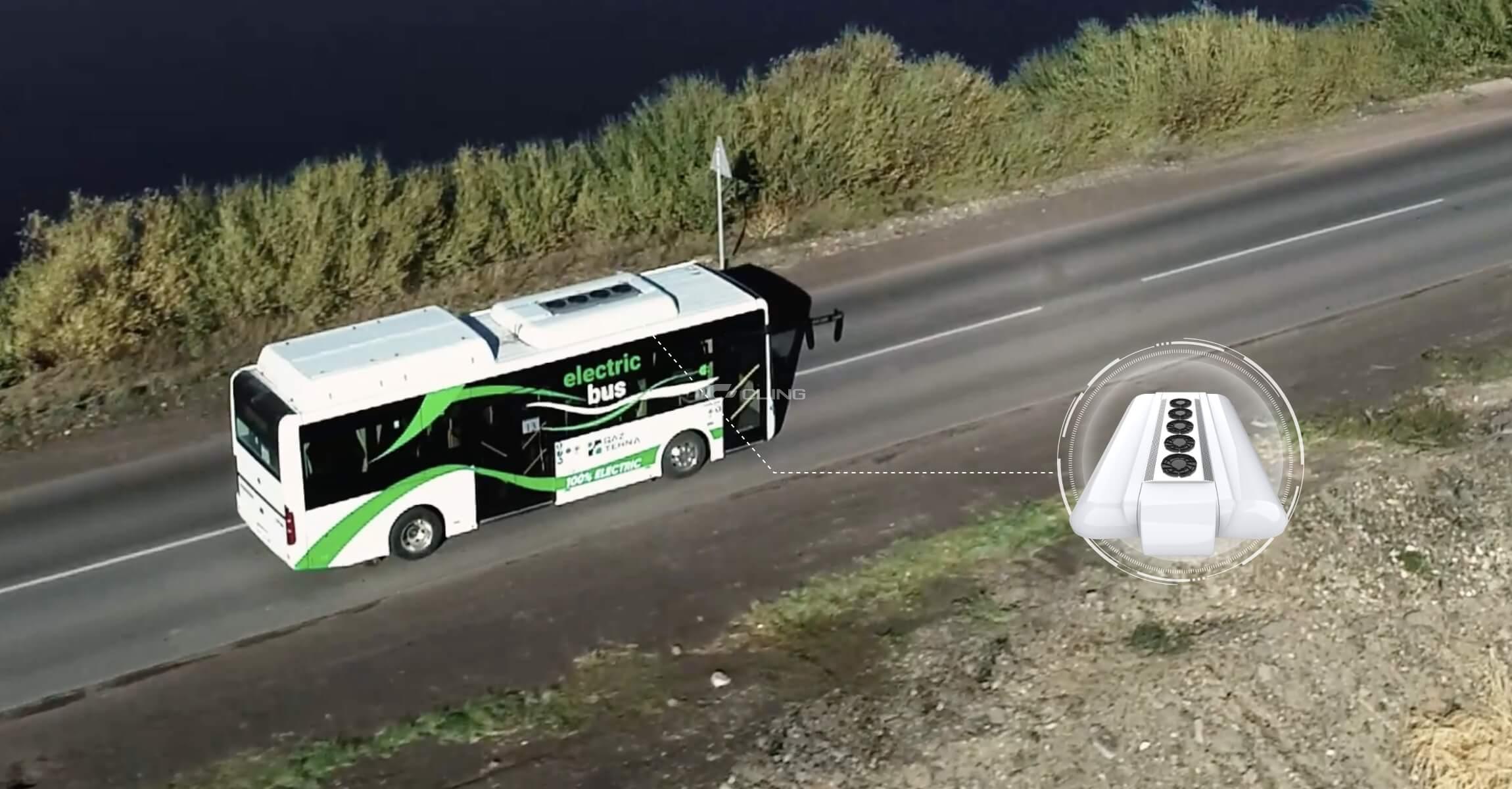
Against the backdrop of "dual-carbon" goals and the continuously rising penetration rate of new energy commercial vehicles, enabling electric buses to travel further and provide greater comfort has become a core concern for both vehicle manufacturers and end-user operators. As the second largest energy consumer after the drive system, the air conditioning system is undergoing technological innovation, evolving from a mere "auxiliary function" to a core factor determining vehicle operating efficiency and market competitiveness.
Currently, the era of simply relying on large-capacity batteries to extend range is over. Systematic solutions centered on high-efficiency heat pump technology, full-frequency intelligent control, AI-enabled thermal management strategies, and efficient lightweight components are becoming key paths to solving the "winter and summer energy consumption anxiety" of electric buses and achieving a leap in overall vehicle energy efficiency.
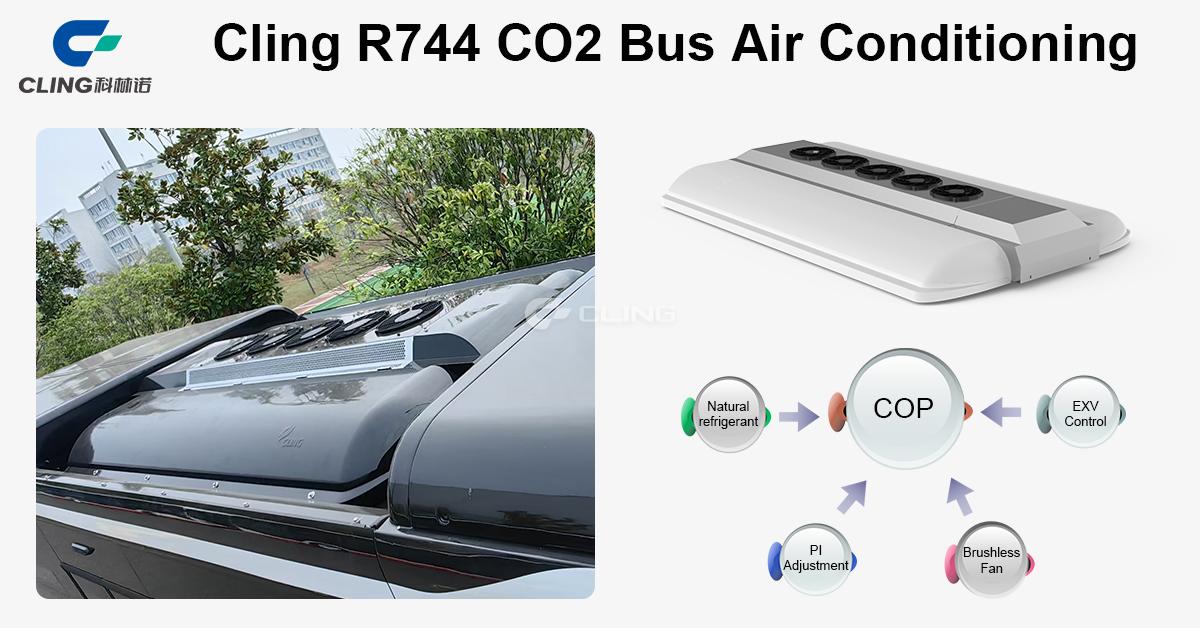
Core Technology 1: High-Efficiency Heat Pumps and CO₂ Technology – Overcoming the "Range Killer"
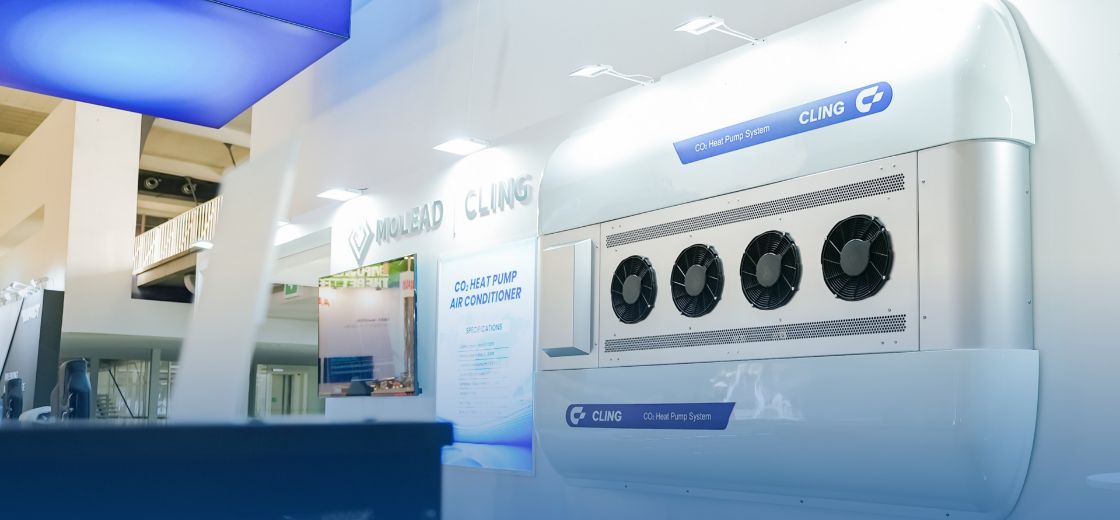
For electric buses, winter heating is the biggest energy consumption challenge. Traditional PTC electric heating is inefficient, causing a 30% or more reduction in range during heating operations. Heat pump technology is the core direction for solving this pain point, and CO₂ heat pumps are considered the most groundbreaking solution currently available.
Leap in Heating Efficiency: Compared to PTC heating, CO₂ heat pumps can improve heating efficiency by 2-3 times, significantly reducing heating energy consumption. Actual energy savings compared to PTC heating can exceed 50%.
Strong Performance in Extreme Low Temperatures: Traditional heat pumps experience a sharp decline in heating performance or even shut down at temperatures below -10℃ or even 0℃, while CO₂ heat pumps can still provide stable heating in low-temperature environments such as -20℃, effectively ensuring continued operation in northern regions during winter.
Core Technology Two: Full Variable Frequency and Intelligent Control – Achieving "On-Demand Energy Supply"
"Full variable frequency" is another cornerstone of energy conservation, allowing air conditioning to move beyond simple "on/off" operation and enabling precise adjustments like a car's accelerator.
Variable Frequency Soft Start and Intelligent Adjustment: Utilizing a variable frequency compressor, the current rises smoothly during startup, avoiding the massive current surge of traditional fixed-frequency air conditioners. Once the passenger compartment reaches the set temperature, the compressor can operate at a low frequency, maintaining the temperature with less power and reducing energy consumption from frequent start-stop cycles.
Intelligent Control Strategy: The system communicates with the vehicle's CAN bus via a microcomputer, automatically adjusting the compressor frequency and fan speed based on data from interior and exterior temperature sensors to achieve optimal matching of power consumption and heat load.
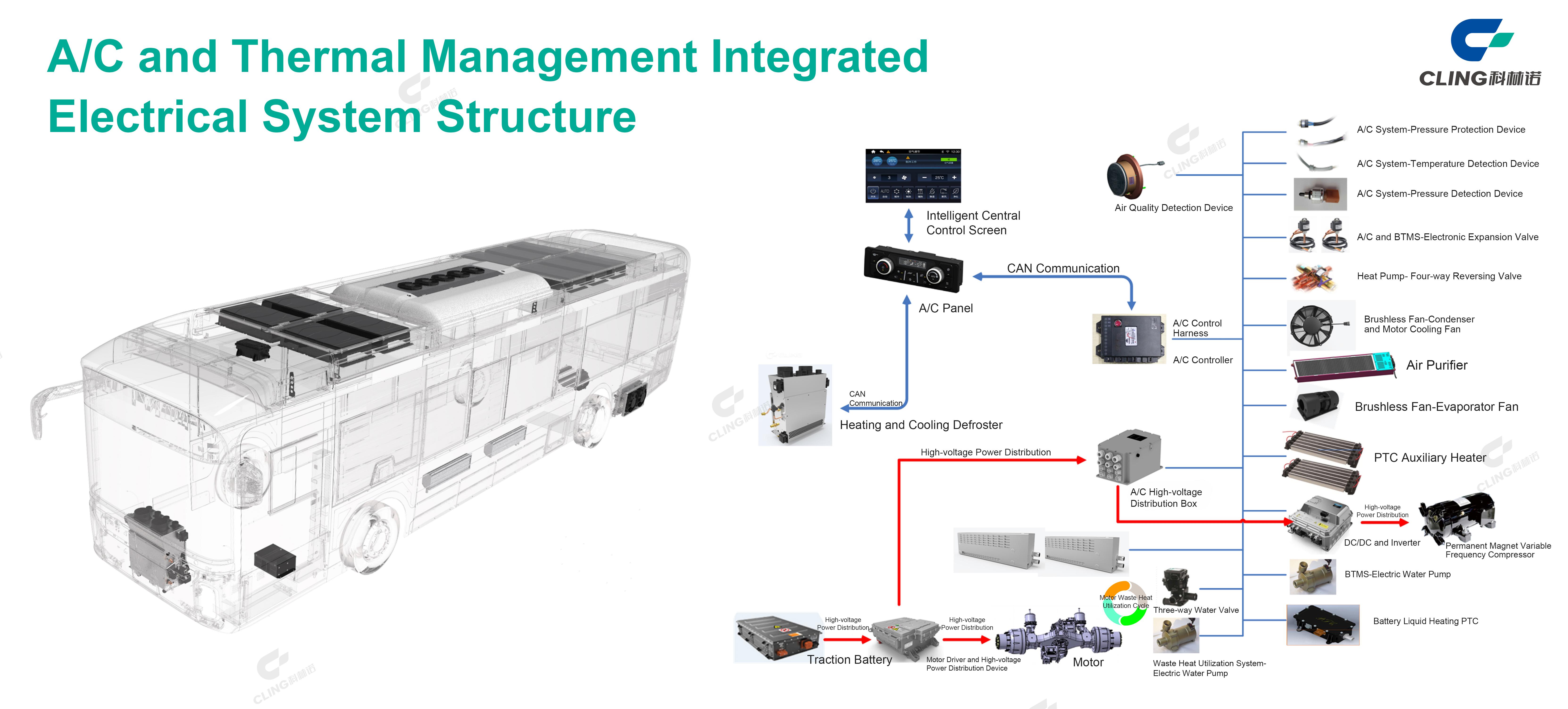
Core Technology Three: Zonal Control – Towards Predictive Energy Saving
More advanced intelligent technologies are reflected in data processing and zonal management, enabling air conditioning to move from "passive response" to "proactive prediction."
Precise Zonal Control: For double-decker buses or large coaches, the intelligent system can achieve zonal temperature control. The ECU independently collects temperature data from the upper and lower decks, or the driver's and passenger areas, independently adjusting the cooling capacity of each area, improving comfort while avoiding unnecessary energy waste.
Cloud Platform Empowerment: Some high-end products are equipped with a control system based on intelligent algorithms and connected to a cloud platform. This not only enables remote monitoring but also allows for real-time analysis of operational big data, accurately predicting potential faults and intelligently optimizing control strategies, making operation management more proactive and efficient.
Core Technology Four: Component and Structural Optimization – Improving Energy Efficiency from the Source
High-Efficiency Components: Utilizing a fully enclosed horizontal scroll compressor, its volumetric efficiency is over 30% higher than traditional piston compressors; employing high-efficiency heat exchangers such as corrugated fins and internally threaded copper tubes to enhance heat exchange efficiency; and employing a DC brushless fan, which is more energy-efficient and has a longer lifespan than brushed fans.
Lightweight Design: By optimizing the internal structure and using lightweight materials, the weight of the air conditioner is controlled, reducing the vehicle's load and indirectly saving energy.
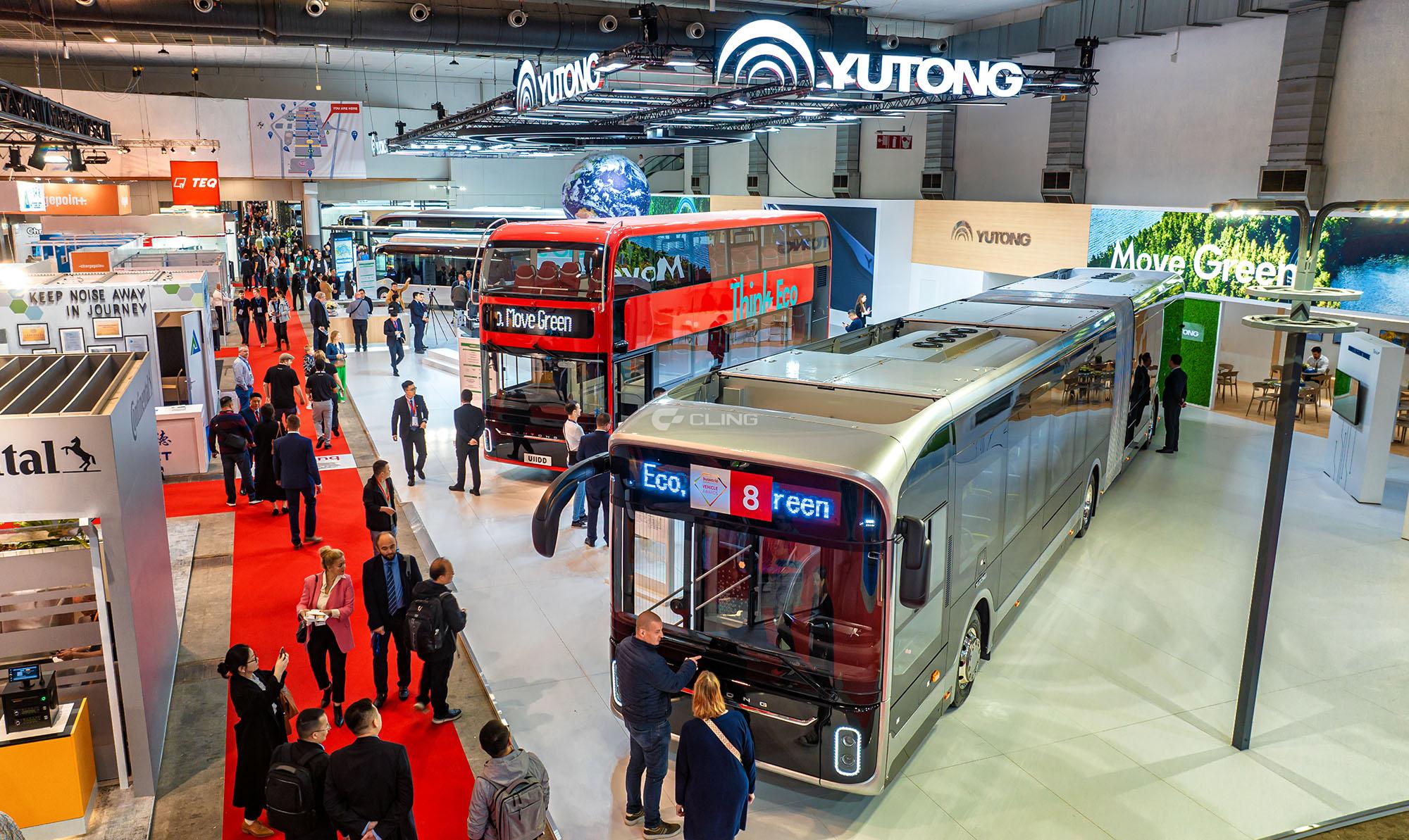
In this systemic technological transformation, Cling has consistently been at the forefront of the industry. As a professional manufacturer founded in 2003 with over two decades of experience in the thermal management field of new energy commercial vehicles, we have delivered over 100,000 pure electric air conditioners. According to industry statistics in 2024, Cling bus air conditioner sales ranked first in China, and our products are widely used by leading domestic and international bus brands such as Yutong, gaining high market validation for their excellent product and service performance.
We not only possess comprehensive mastery of the core technologies mentioned above, such as CO₂ heat pumps, full-frequency conversion control, and intelligent thermal management, but also provide customized, high-efficiency, and energy-saving solutions for different operating conditions and vehicle models through rigorous vehicle matching tests and continuous technological iteration. From the frigid north to the humid south, Cling air conditioning is committed to finding the optimal balance between comfort, energy saving, and range. Making every electric bus an energy efficiency benchmark.
The competition in bus air conditioning has evolved from simply "how fast it cools" to a comprehensive contest of "how high its energy efficiency is, how intelligent its control is, and how deeply it adapts to different vehicles." Cling is leveraging its system-level thermal management capabilities to help partners go further and operate at lower costs in the new energy vehicle market.
If you are looking for a market-proven, technologically advanced bus air conditioning solution with deep vehicle-wide integration capabilities, please feel free to contact us. Let's discuss how to tailor a smarter, more energy-efficient future thermal management system for your vehicle model.
E-mail: marketing@clingac.com