



 China
 English
 French
 Spanish
 Russian
News
Stay updated on the latest developments and product knowledge of the Cling Air Conditioning and bus HVAC industry

Stay updated on the latest developments and product knowledge of the Cling Air Conditioning and bus HVAC industry
When operating buses in winter, drivers fear two things most: fog and frost on the windshield that cause loss of visibility, and a cabin that takes forever to warm up during a cold start. Choosing the right bus defroster and electric heater directly affects driving safety, passenger comfort, and the service life of the engine or battery.
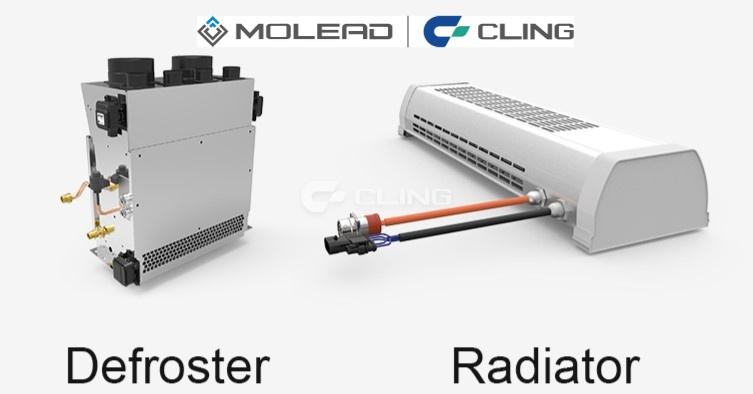
How to Choose a Defroster? Preserve Visibility First, Comfort Second
Windshield fogging is essentially the result of the temperature difference between inside and outside the vehicle combined with humidity. Many overseas operating regulations explicitly require that the defroster system's air outlets be located at the lower edge of the windshield, and that the air volume be sufficient to keep the driver-side window and front door glass clear under all operating conditions. When selecting a bus defroster, the core metric is not "how hot it gets," but the controllability of air volume and airflow direction. Insufficient air volume means no amount of heat can blow the fog away; non-adjustable outlet angles mean blind spots on the side windows remain. For electric buses, attention must also be paid to the power consumption of defrost heating—pure resistive PTC defrosters respond quickly, but an instantaneous load of 15–30 kW will noticeably eat into range. If the vehicle is equipped with a heat pump system, prioritizing heat pump defrosting and only enabling the auxiliary electric heater for supplemental heat in extreme cold is a smarter strategy.

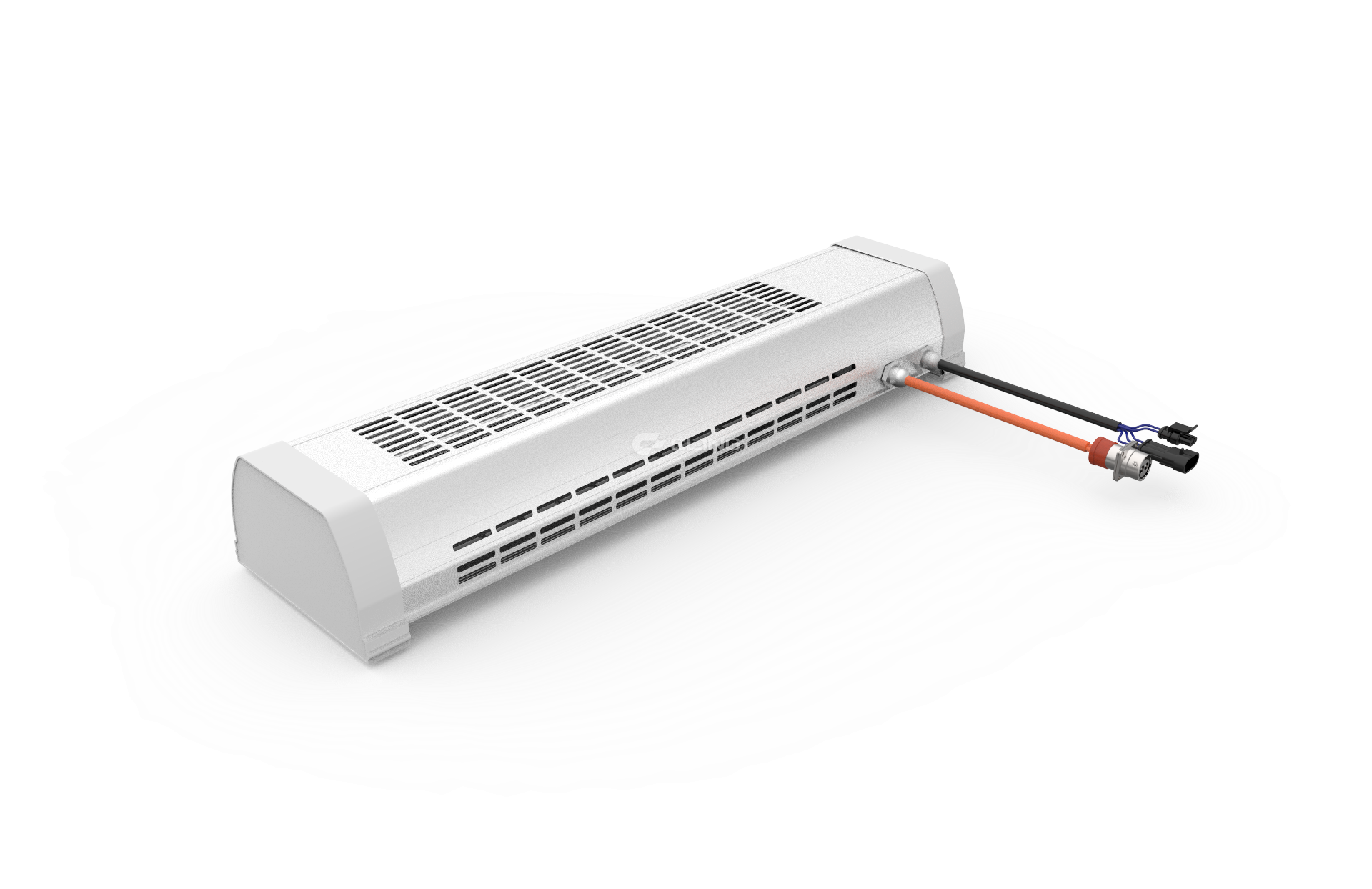
How to Choose a Electric Heater? The "First Hot Meal" of a Cold Start
When a diesel bus cold-starts in extreme cold, engine coolant temperature rises slowly, and the original heater often takes over ten minutes before any warmth is felt. This is where the value of an electric heater lies—"buying time": it does not rely on engine waste heat but directly generates heat using electricity or fuel, rapidly raising cabin temperature while simultaneously preheating the engine coolant. For electric buses, the situation is even more critical. Battery activity declines at low temperatures, and some models even require the battery to reach a certain temperature threshold before normal discharge is permitted. If the electric heater can work in coordination with battery thermal management, preheating both the battery and the cabin to target levels while plugged in, the precious battery charge can be reserved for driving rather than cabin heating. When selecting, attention should be paid to the heater's power staged-control capability and its communication interface with the vehicle's thermal management system, avoiding crude full-power on/off cycling that shocks the high-voltage system.
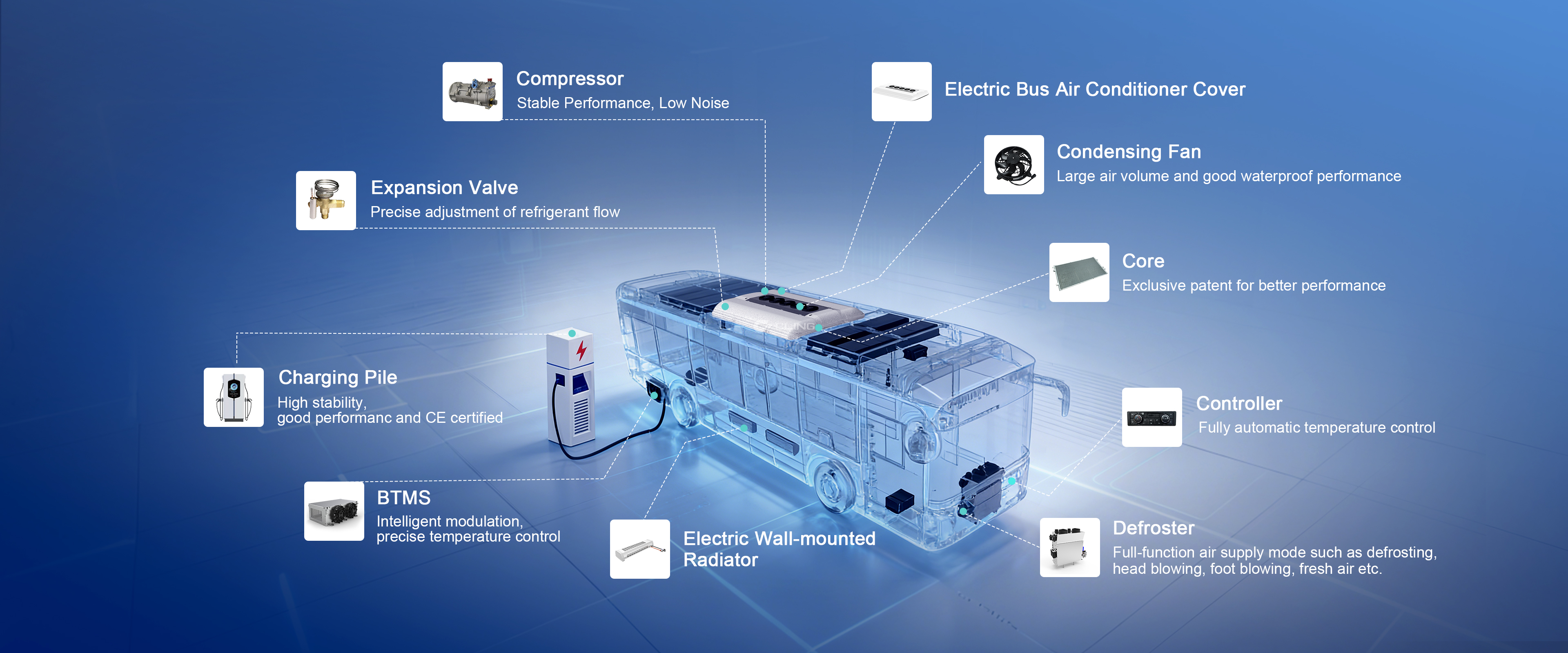
Cling Bus Air Conditioning's Integrated Solution
Cling has independently developed and manufactured defrosters, electric heaters, and battery thermal management systems. Cling's HVAC integrated solution enables centralized control of the air conditioner, defroster, electric heater, battery thermal management, and other core components through a single control panel, safeguarding vehicle driving safety and in-cabin comfort.
For the selection of either defrosters or electric heaters, it is recommended to prioritize configuration according to the principle of "safety components before comfort components." Defroster duct coverage area and the rapid-start reliability of the heater should be considered before heating power output. At the same time, it is necessary to confirm whether the product meets the electrical safety and electromagnetic compatibility requirements of the target market—for example, Europe and North America have clear thresholds for insulation and fault protection of high-voltage heating components.
If you are interested in our products please don't hesitate to contact us.
E-mail: marketing@clingac.com
