



 China
 English
 French
 Spanish
 Russian
News
Stay updated on the latest developments and product knowledge of the Cling Air Conditioning and bus HVAC industry

Stay updated on the latest developments and product knowledge of the Cling Air Conditioning and bus HVAC industry
Why Are Low-priced Air Conditioners Actually More Expensive? A Maintenance Checklist That Adds Up the Real Cost
When procuring bus air conditioners, the numbers on the quotation sheet are the most intuitive—and the most deceptive. Many fleet operators buy low-priced air conditioners and save money in the first year, only to pay it all back with interest in the third year through repair bills and downtime losses. Why are cheap air conditioners actually more expensive? The answer lies in the bus air conditioner maintenance checklist.
Low-priced air conditioners are expensive because of "hidden failure rates." The corners cut in cheaper models are subtle: smaller condenser fin area, thinner heat exchange tube walls, and insufficient protection ratings for electrical connectors. The result is that under the same operating conditions, the compressor runs under prolonged high load, high-side pressure stays elevated, and cooling degradation arrives sooner. Machines with insufficient heat dissipation margin quickly break down once the fins get dirty, forcing cleaning frequency to double.
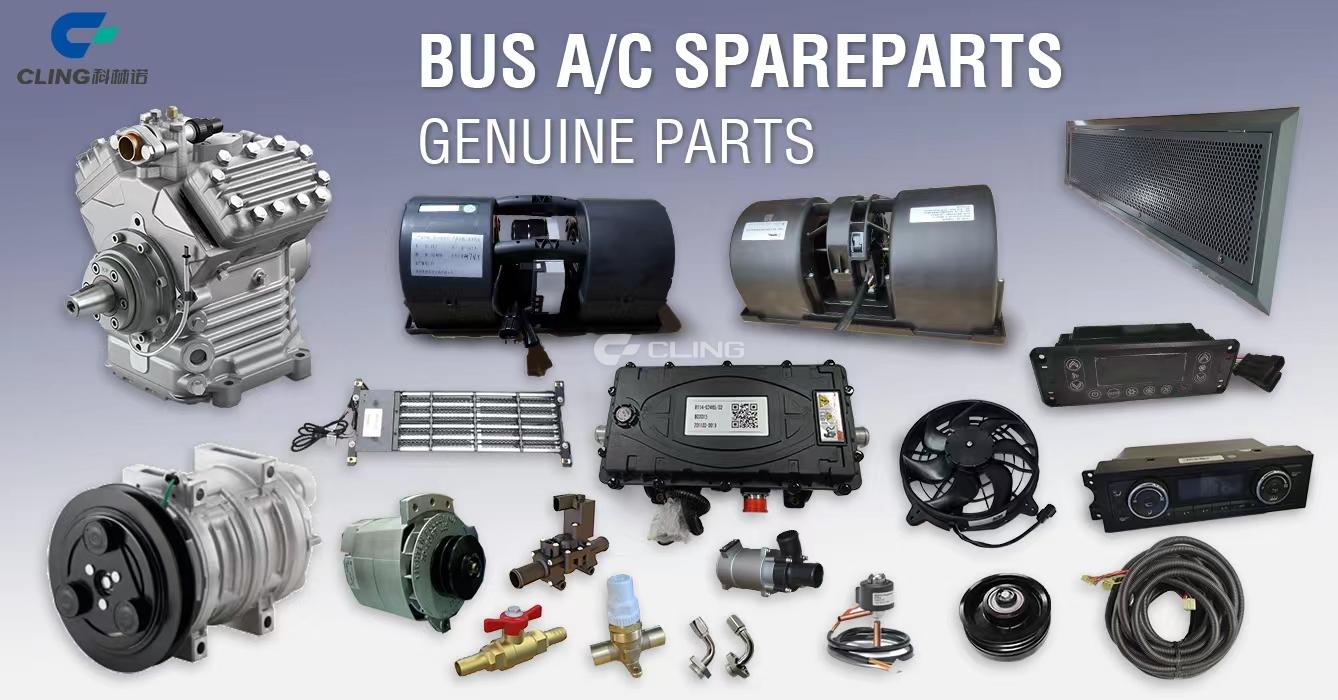
Low-priced air conditioners are expensive because "you can't afford to wait for spare parts." The filters, refrigerant, and belts on the checklist may look inexpensive, but if a single part is broken or out of stock, the entire air conditioner shuts down—and while waiting for the part, vehicles continue to depreciate and scheduled trips continue to be cancelled. These downtime costs never appear on the quotation sheet.
Low-priced air conditioners are expensive because "repairing costs more than replacing." When compressors fail repeatedly, control boards are discontinued, and refrigerant leaks at connectors become the norm, fleets ultimately have no choice but to replace the entire unit. The total expenditure of two replacements in three years far exceeds the price difference of buying a good machine in the first place.
The expense of low-priced air conditioners lies where you can't calculate it. Therefore, what truly determines total cost of ownership is not the purchase price, but the failure rate multiplied by downtime. Cling bus air conditioners press down these hidden costs one by one through superior product quality, extremely low failure rates, and after-sales service. Cling air conditioners have been sold to more than 130 countries, with a global installed base exceeding 650,000 units; product quality has earned the trust and praise of OEMs including Yutong. Modular design allows wear parts to be replaced independently, cutting repair labor time from days to hours. Four after-sales service stations in the CIS, Africa, and Asia, authorized outlets in more than ten European countries and seven Middle Eastern countries, fifty service engineers, and a 7×24 call center: routine issues resolved within 12 hours, complex issues responded to within 48 hours, and commonly used spare parts kept in stock—no waiting.
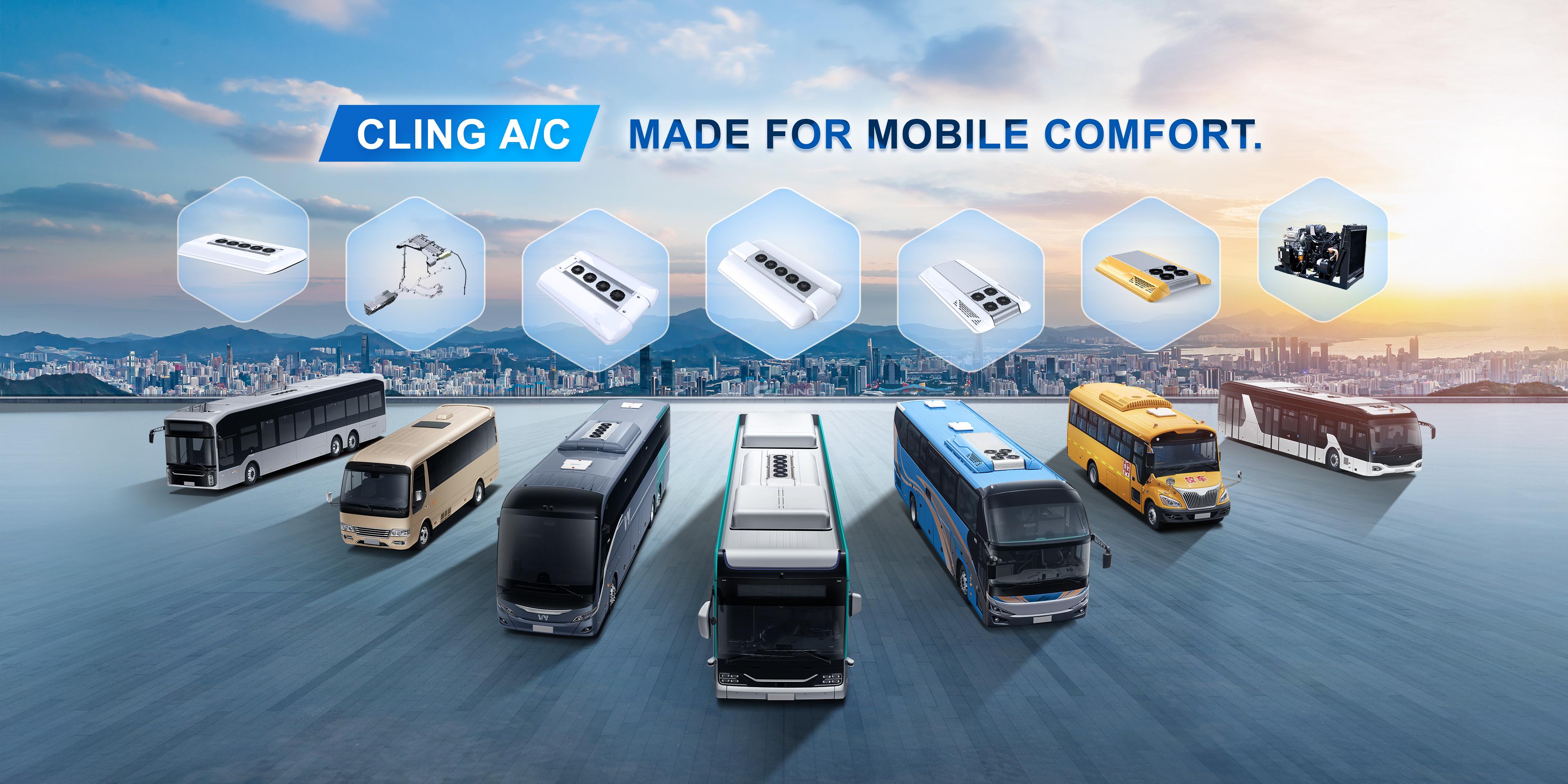
Contact us to get the bus air conditioner product suited to your vehicle model and take total cost of ownership into your own hands.
E-mail: marketing@clingac.com