


 China
 English
 French
 Spanish
 Russian
News
Stay updated on the latest developments and product knowledge of the Cling Air Conditioning and bus HVAC industry

Stay updated on the latest developments and product knowledge of the Cling Air Conditioning and bus HVAC industry
When purchasing bus air conditioners, what buyers care about most is often not the price, but "how much cooling capacity should I choose." If the cooling capacity is too small, the compressor will run at high load continuously, and the hottest months of summer become its "overwork period"—at best, cooling performance degrades year after year; at worst, it burns out directly. This [How to Select Bus Air Conditioners] guide starts with the industry-standard estimation formula, then breaks down the applicable boundaries of three mainstream bus air conditioner types, helping you choose the product that best fits your vehicle requirements.
I. Start with the Volume Estimation Method to Draw the Baseline
For bus air conditioner cooling capacity calculation, engineering practice includes itemized load calculation methods, but the most practical approach in the early procurement stage is still the industry empirical formula: Required cooling capacity (kcal/h) = Cabin volume (m³) × 350–500 (kcal/m³). Cabin volume is the interior length × width × height. The range is wide because it assumes a premise: the harsher the operating conditions, the closer to the upper limit you should go—or even slightly oversize. So what counts as harsh? Two typical scenarios:
First, operation in high-temperature regions. In parts of the Middle East, Southeast Asia, and Africa, summer ambient temperatures routinely exceed 45°C. The roof is under direct sunlight, and the cabin shell itself radiates heat into the interior. If you select based on the lower limit of 350 kcal/m³, the air conditioner barely brings the temperature down before shell heat transfer and solar radiation consume another chunk of cooling capacity—the compressor can never catch up with the heat load.
Second, fully loaded long-distance passenger transport. With over 50 people on board, each person is a "heat source" of about 100W. Under full load, human heat dissipation and moisture release significantly raise the latent heat load—the air conditioner must not only cool but also dehumidify. If cooling capacity margin is insufficient, the cabin will feel "temperature barely dropped, but stuffy"—affecting passenger experience.
One point to emphasize: "slightly oversizing" does not mean unlimited enlargement. If oversizing is excessive, rapid cooling causes compressor short cycling, dehumidification time is insufficient, and the cabin becomes both cold and damp. The reasonable approach: within the 350–500 range, take 450–500 for high-temperature/full-load conditions, 350–400 for temperate normal conditions, and fine-tune based on the specific vehicle's insulation level and glass area.
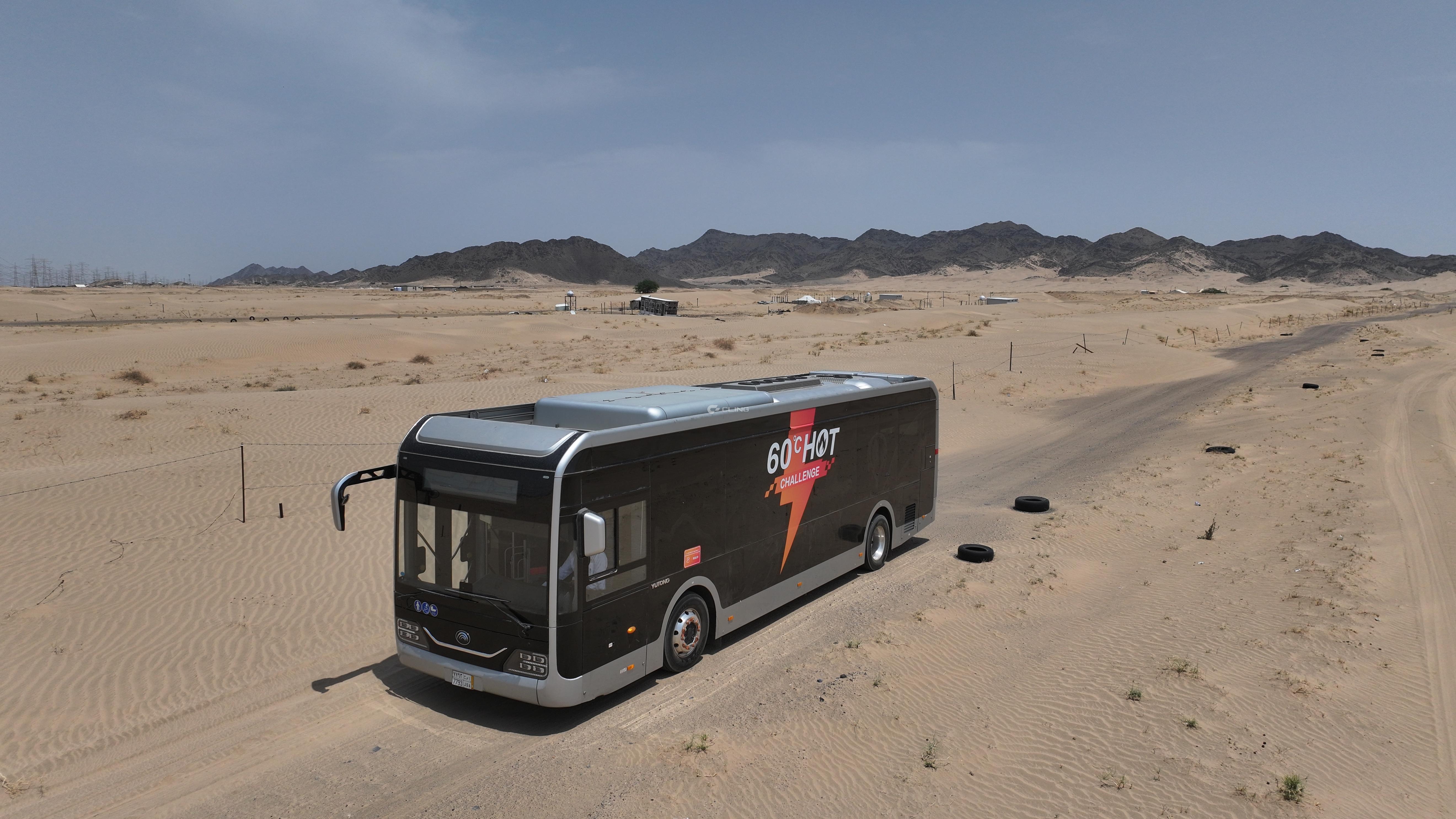
II. Three Air Conditioner Types: Choosing the Wrong Scenario Is More Troublesome Than Choosing the Wrong Cooling Capacity
Calculating cooling capacity is only the first step. Air conditioners with the same cooling capacity can have vastly different applicable scenarios depending on installation method.
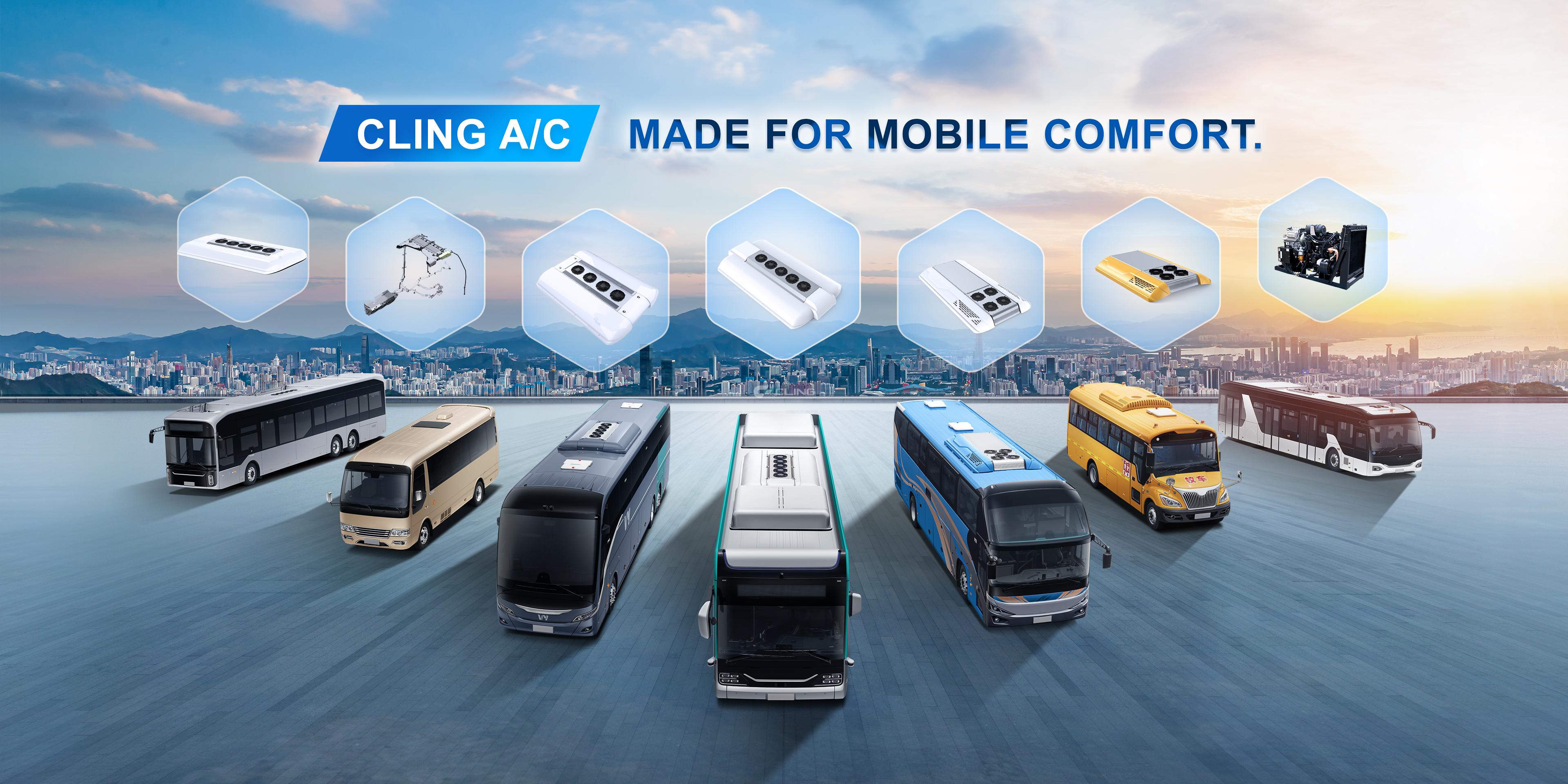
Roof-mounted air conditioner: the default answer for city buses. Roof-mounted units centrally arrange the evaporator and condenser on the roof, occupying no interior space, with uniform air distribution and easy installation and maintenance. City buses have short stops, frequent door opening and closing, and low speeds—roof-mounted air conditioners respond directly under such "frequent heat intrusion" conditions, with cold air sinking evenly from the top ducts, so even a packed cabin won't have excessive front-to-rear temperature differences. The downside is a slight increase in overall vehicle height and center of gravity, but the impact is limited for urban road conditions.
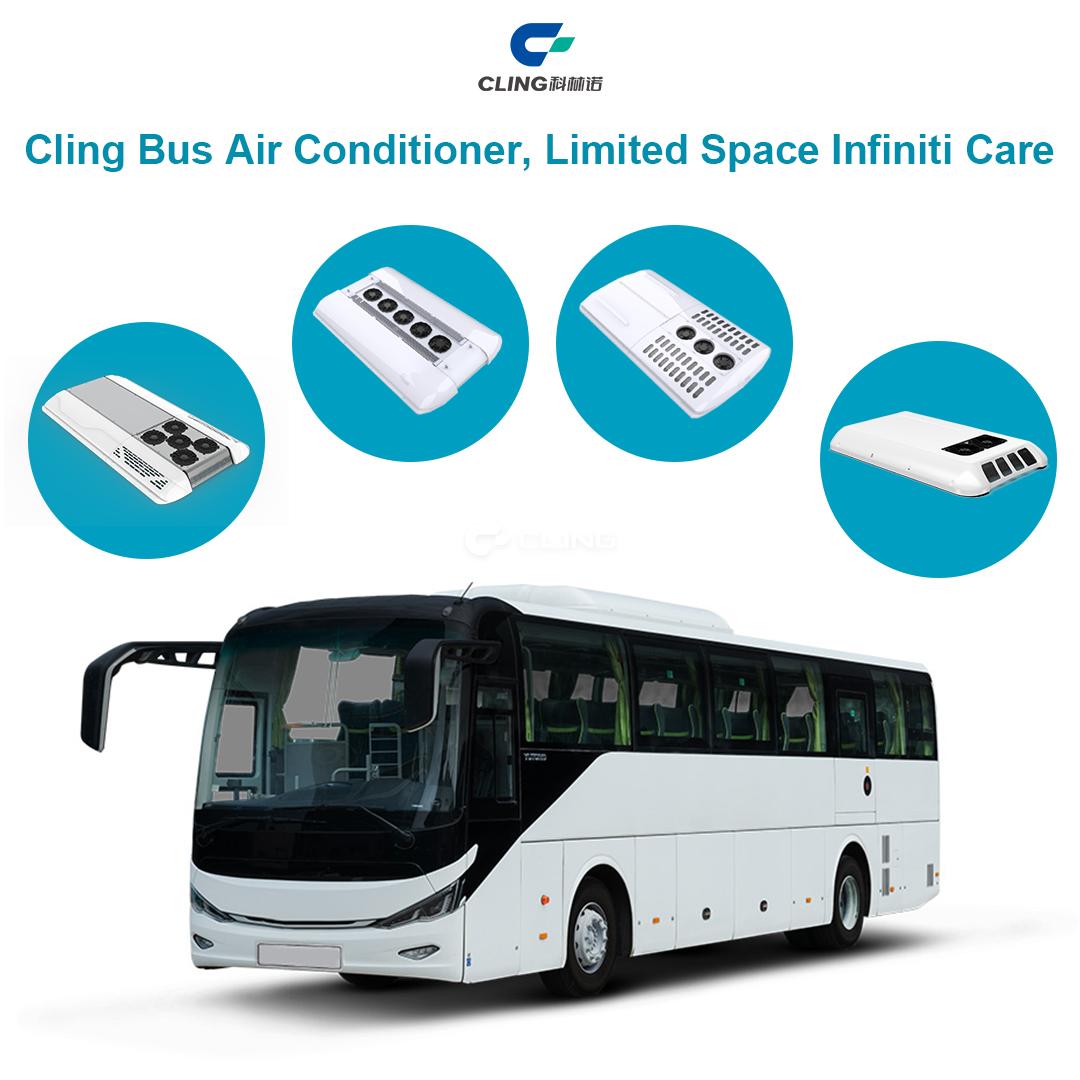
Independent air conditioner: a necessity for long-distance sleeper and tourist coaches. Independent air conditioners have their own auxiliary engine driving the compressor, consuming no main engine power. During nighttime driving or idling while waiting, the main engine can be shut off or run at reduced power while the air conditioner continues working. If a non-independent air conditioner is used for long-distance sleeper service, the driver must keep the main engine at high idle to run the air conditioner—fuel consumption and wear costs over several years would buy several air conditioners.
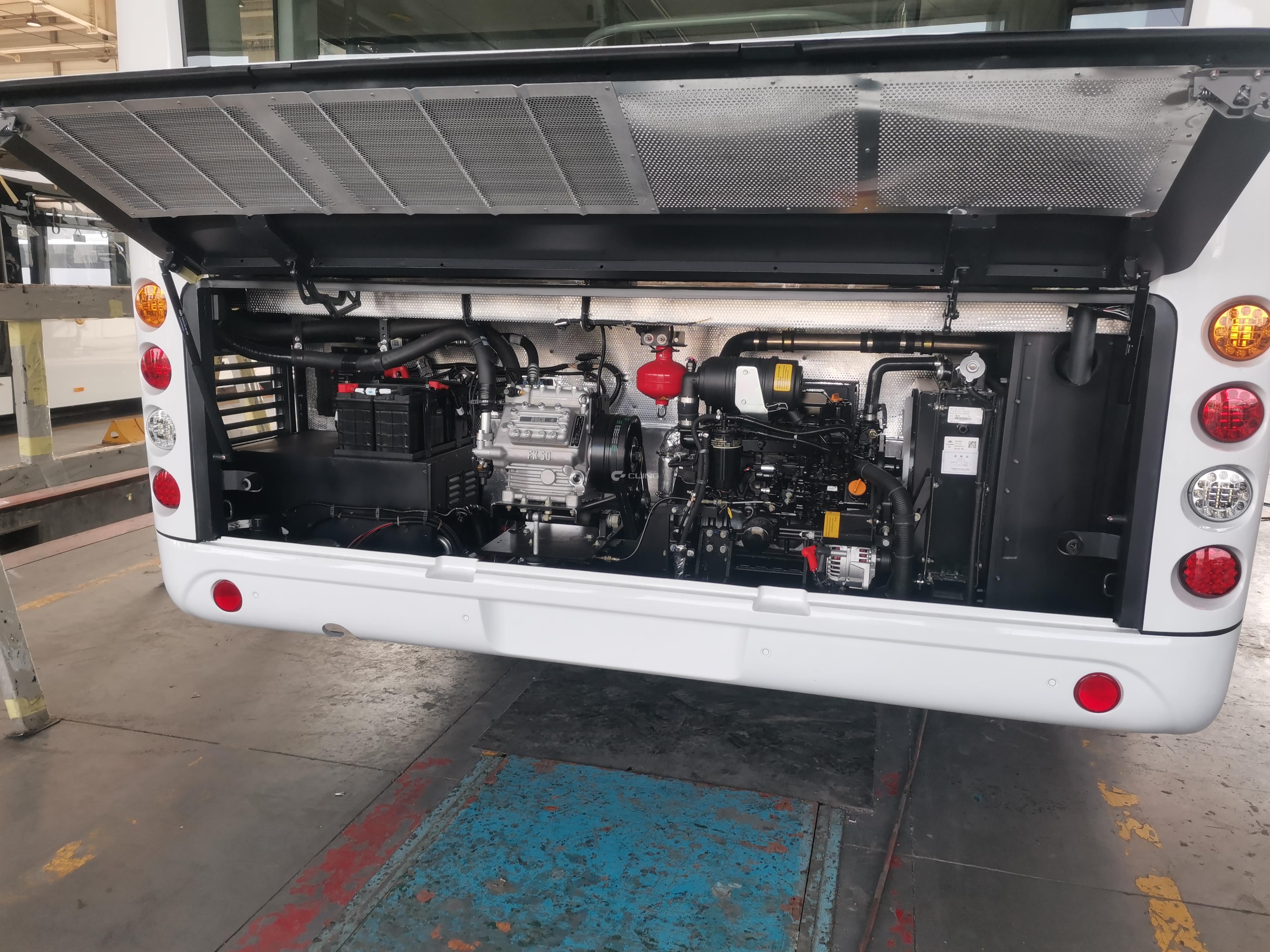
Electric air conditioner: the only correct choice for pure electric buses. Pure electric buses have no engine belt to drive the compressor and must use electric dedicated models, with the high-voltage battery pack directly driving the electric compressor. Electric air conditioner energy consumption directly eats into range. On the premise that cooling capacity meets demand, the higher the energy efficiency ratio, the better.
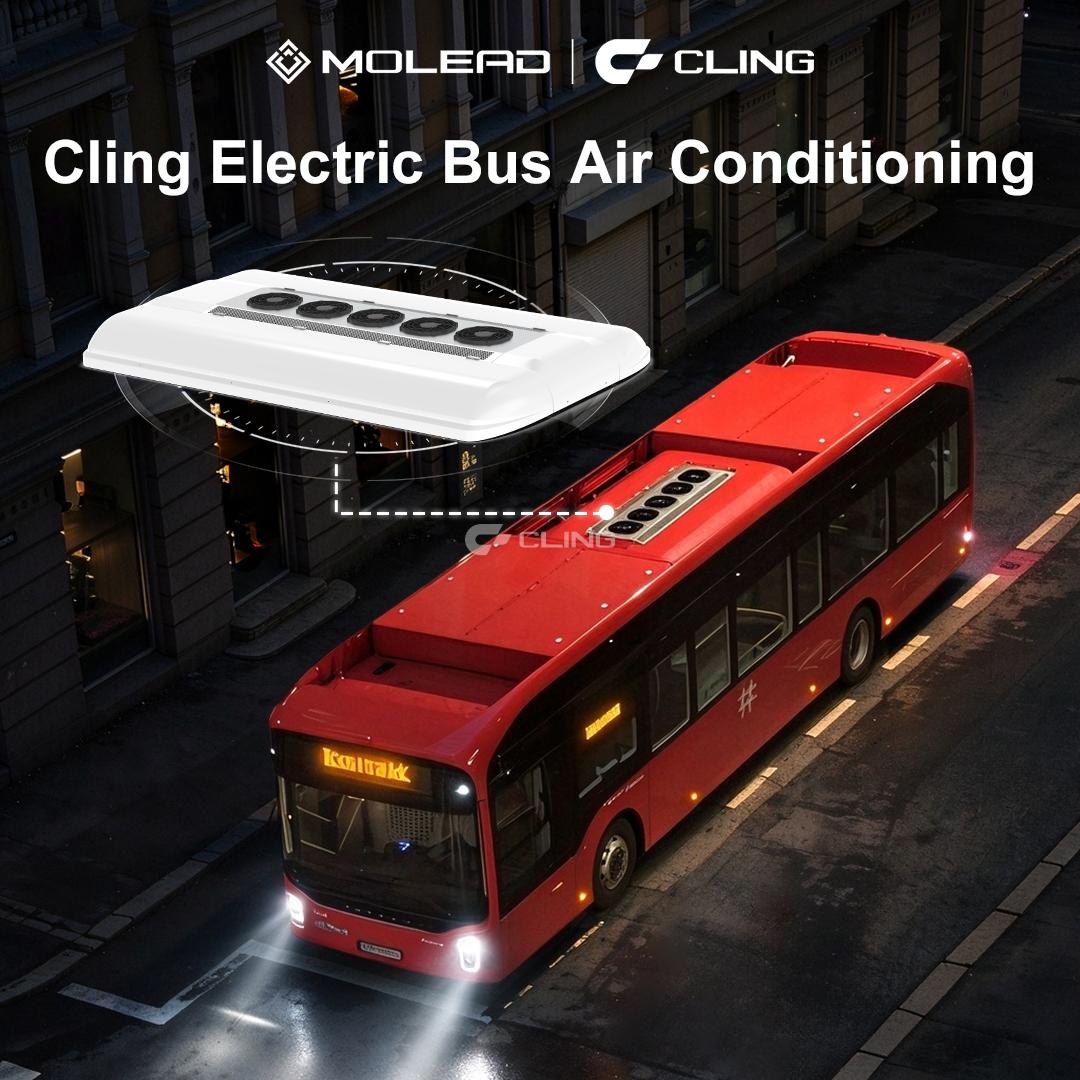
Cling is a manufacturer focused on bus air conditioner R&D, production, and sales, with products covering three major types—roof-mounted, independent, and electric—corresponding to the typical operating conditions of city buses, long-distance passenger transport, and pure electric buses. We don't do "one model for everything," because the heat load characteristics and power sources of the three usage scenarios are inherently different—if the model matching is wrong, no matter how impressive the spec sheet looks, it won't solve problems at the operating site.